
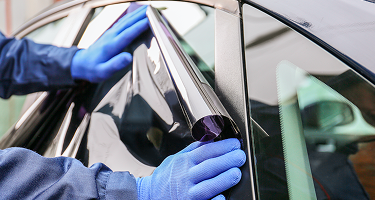
Car Window Tinting
Ceramic film provides you with excellent results and is widely considered to be the best overall option. Embedded with advanced nonconductive ceramic particles, this film rejects heat and UV radiation while maintaining maximum visibility. Combined with shatter-proof qualities and tested durability, this makes ceramic film a stellar option for both safety and performance.
Find Verified Shops, Compare Film Types, Get Free Quotes
If you are searching for car window tinting near you, TintingShops connects you with verified professional installers across all 50 states. Finding the right shop is only part of the decision.
The film type, shade, and installation quality you choose determines how long your tint lasts, how much heat it blocks, and whether it holds up through years of daily driving.
This guide covers everything you need to know before booking, from film types and VLT shades to what professional installation actually delivers.
Why Professional Car Window Tinting Is Worth It
Unprotected vehicle glass allows solar heat, ultraviolet radiation, and direct glare to enter the cabin on every drive. Over time, this creates measurable damage to interiors and real discomfort for drivers and passengers, particularly in climates where summer temperatures and UV intensity are sustained for extended periods.
Heat Rejection and Cabin Comfort
Professional window film blocks a significant portion of infrared solar radiation before it crosses the glass plane, reducing interior heat buildup and lowering the demand on your air conditioning system.
The difference between a vehicle with quality window tint and one without is most noticeable in summer parking situations, where unprotected cabins reach temperatures that make re-entry genuinely uncomfortable before the AC has time to recover.
UV Protection and Interior Preservation
UV radiation accumulates through vehicle glass on every drive, fading dashboards, cracking leather, and degrading upholstery in ways that are gradual, cumulative, and largely irreversible.
Professional-grade window film blocks up to 99% of ultraviolet radiation, significantly slowing the interior deterioration that reduces the vehicle's long-term value and appearance.
Privacy, Security, and Glare Reduction
Window tinting reduces exterior visibility into the cabin, limiting the exposure of vehicle occupants and stored items to street-level observation.
Glare from direct sun and headlight reflection is reduced across the windshield and side glass, improving driving clarity during peak commute hours. Quality film also holds glass together on impact, providing a layer of shatter protection that unprotected glass does not offer.
The Types of Car Window Tint Film
Choosing the right film type before booking determines the heat rejection performance, longevity, signal safety, and overall value of the installation. Each film category uses a different technology and produces different results.
Ceramic Film
Premium ChoiceCeramic film uses nano-ceramic particle technology to deliver the highest heat rejection and UV blocking in the automotive film category.
It contains no metal layers, making it fully signal-safe for GPS, cellular connectivity, toll tags, and remote start systems. In a general sense, ceramic film is engineered for long-term optical stability and color consistency, performing consistently across the film's full lifespan.
Advanced ceramic options, such as those made by HITEK Films, are built to deliver these results without fading, purpling, or degrading over time.
- Highest heat rejection (50-80%)
- Zero signal interference
- Shatter-proof qualities
- Lifetime durability
Best for: Daily commuters, high-mileage drivers, premium vehicles
Carbon Film
PopularCarbon film uses embedded carbon molecules to deliver strong infrared heat rejection without metal layers.
It maintains a distinctive matte black appearance that holds its color consistently over time and produces no signal interference with GPS, cellular systems, or onboard electronics.
In a general sense, carbon film sits between ceramic and budget options in both performance and longevity, making it a practical mid-tier choice for drivers who want meaningful heat rejection without the full investment of a premium ceramic product.
- No signal interference
- Unique matte finish
- Won't fade over time
- Excellent infrared blocking
Best for: Budget-conscious drivers wanting quality, trucks and SUVs
Hybrid Film
Best ValueHybrid film combines dyed and metallic layers in a three-layer construction that delivers good heat rejection at a lower price point than ceramic or carbon.
It produces lower exterior reflectivity than full metallic film and is a practical value option for drivers who want a visible performance upgrade from budget film without the cost of a top-tier product.
- Three-layer construction
- Great heat rejection
- Lower reflectivity than metallic
- Moderate price point
Best for: Value-focused buyers, secondary vehicles
Metallic Film
DurableMetallic film uses metal particles to deliver strong heat rejection and a reflective exterior appearance.
It is durable and provides good shatter resistance, but the metal content can cause minor interference with GPS, cellular reception, satellite radio, RFID-based toll tags, and remote start systems.
For modern vehicles with integrated navigation, wireless connectivity, and built-in cellular modems, this trade-off is worth considering before selecting metallic film.
- Shatter-resistant
- Excellent heat rejection
- Attractive reflective finish
- Very durable construction
Best for: Older vehicles without integrated electronics
Dyed Film
BudgetDyed film is the most affordable automotive tint option, using dye layers to absorb heat and reduce glare.
In a general sense, dyed films can experience color shift or fading over time depending on the manufacturer and dye quality used.
For drivers who want long-term color stability and sustained heat rejection performance, advanced film options such as those made by HITEK Films are engineered to avoid these failure modes with constructions that maintain their appearance and performance consistently over time.
- Most affordable option
- Dark matte appearance
- Good glare reduction
- Solid privacy
Best for: Short-term ownership, primarily appearance-focused
Film Specs & Pricing at a Glance
Compare longevity, heat rejection (TSER), UV protection, and pricing across all five film types.
| Film Type | Longevity | TSER Rating | UV Block | Pricing (per vehicle) LowMidHigh | ||
|---|---|---|---|---|---|---|
| Ceramic Best | 10 – 15+ years | Highest | 99% | $250 – $400 | $400 – $600 | $600 – $750+ |
| Carbon | 5 – 12+ years | Med-High | 99% | $150 – $250 | $250 – $450 | $450 – $650+ |
| Hybrid | 5 – 10+ years | Med-High | 99% | $120 – $200 | $200 – $400 | $400 – $600+ |
| Metallic | 5 – 10+ years | Medium | 99% | $100 – $200 | $200 – $350 | $350 – $500+ |
| Dyed | 3 – 5 years | Low-Med | 95 – 99% | $50 – $150 | $150 – $250 | $250 – $400 |
Which Film Is Right for Your Vehicle?
The right film depends on how you use your vehicle, where you drive, and what performance outcomes matter most to you.
High-Mileage Daily Commuters
Drivers who commute daily in direct sun will see the strongest return from ceramic film, where the heat rejection and longevity justify the higher upfront investment over the life of the installation.
Recommended: Ceramic Film
Everyday Commuters
Daily commuters who want a meaningful upgrade from unprotected glass without the premium tier cost will find carbon film delivers strong performance at a practical price.
Recommended: Carbon Film
Indoor Parkers / Appearance-Focused
Drivers who park indoors most of the time and are primarily motivated by appearance and basic UV protection may find hybrid or dyed film appropriate for their situation.
Recommended: Hybrid or Dyed Film
Understanding VLT (Tint Darkness Levels)
VLT (Visible Light Transmission) determines how dark your tint appears. Lower percentage = darker tint. This number determines how your tint looks from the outside, how much privacy it provides, and how it performs during nighttime driving.
5% VLT — Limo Tint
Maximum privacy, near-blackout appearance. Primarily for rear glass where state law permits.
Legality: Rear only
Check your state's specific VLT laws before choosing.
15% VLT — Dark Tint
Very dark. Popular for SUVs and rear windows.
Legality: Rear only
Check your state's specific VLT laws before choosing.
20% VLT — Medium Dark Tint
Strong privacy with a dark, refined look. Popular for rear side windows.
Legality: Varies
Check your state's specific VLT laws before choosing.
35% VLT — Medium Tint
Most widely installed shade, balancing privacy with visibility and meeting front window legal requirements in most states.
Legality: Most states
Check your state's specific VLT laws before choosing.
50% VLT — Light Tint
Lighter shade providing UV protection and moderate heat rejection with a nearly clear exterior appearance.
Legality: All states
Check your state's specific VLT laws before choosing.
Window Tint Laws by State
Window tinting is legal in all 50 states, with each state setting its own visible light transmission requirements for front side windows, rear side windows, and rear glass. Front windows are the most restricted in most states.
A verified local installer will confirm the legal VLT limits for your state and advise on the correct shade selection for each window position before installation begins.
Benefits of Professional Window Tinting
Window tinting provides measurable protection for you, your passengers, and your vehicle's interior. Here's what professional-grade film delivers.
Up to 99% UV Protection
Blocks harmful UVA and UVB rays that cause skin damage, premature aging, and interior fading.
Heat Rejection up to 80%
Ceramic films reject up to 80% of solar heat, keeping your cabin cooler and reducing AC strain.
Reduced Glare
Cuts harsh sun glare for safer, more comfortable daytime driving and reduces headlight glare at night.
Shatter Protection
Film holds broken glass together on impact, adding a critical safety layer in accidents.
Privacy & Security
Darker tints keep valuables out of sight and deter smash-and-grab theft.
Interior Preservation
Prevents dashboard cracking, leather fading, and upholstery discoloration caused by prolonged sun exposure.
UV Rays Blocked
Ceramic & Carbon films
Heat Rejected
Premium ceramic film
Glare Reduced
All film types
Years Protection
With ceramic film
Install Time
Full vehicle
Starting Price
Dyed film, per vehicle
Professional Installation vs. DIY
Pre-cut peel-and-stick film kits are widely available but consistently produce results that professional installers do not recommend. Air pockets, misaligned edges, defroster line damage, and adhesive failure within one to two years are common outcomes from consumer-grade kits applied without professional equipment or controlled installation conditions.
Professional installation uses computer-cut film patterns matched to the vehicle's exact glass dimensions. Film is applied in a controlled environment that prevents contamination between the glass and adhesive, and professional-grade adhesive systems are used to ensure long-term bonding across temperature changes, seasonal cycles, and daily use.
Professional Installation
- ✓ Computer-cut patterns matched to exact glass dimensions
- ✓ Controlled environment prevents contamination
- ✓ Professional-grade adhesive for long-term bonding
- ✓ Manufacturer warranty included
- ✓ 10-15+ year lifespan with ceramic film
DIY Kits
- ✗ Air pockets and misaligned edges common
- ✗ Risk of defroster line damage
- ✗ Adhesive failure within 1-2 years
- ✗ No warranty coverage
- ✗ Higher cost-per-year when replacement needed
The cost difference between DIY and professional installation is recovered in longevity alone. A professionally installed ceramic film that lasts well over a decade costs less per year of protection than replacing a consumer kit every few years.
How It Works
Getting your windows tinted is quick and hassle-free. Here's what to expect.
Choose Your Film
Browse shops near you, compare film types and pricing, and pick the perfect tint level for your vehicle and budget.
Book an Appointment
Request a free quote from top-rated local installers. Most shops can schedule you within a few days.
Professional Install
Certified technicians apply your tint in 1-3 hours. Drive away with a warranty and a fresh, polished look.
Post-Installation Care
Curing Period
During the curing period of several days after installation, windows should remain closed and the film should not be cleaned or pressed.
In cooler weather, the cure period extends further because cold temperatures slow adhesive bonding. A hazy or milky appearance during curing is normal and clears completely as the adhesive fully bonds to the glass.
Cleaning After Cure
After curing, use a soft microfiber cloth with an ammonia-free cleaner to maintain the film surface.
Ammonia-based glass cleaners break down window tint adhesive over time and should be avoided on tinted glass permanently.
Signs of Film Failure
Early signs of film failure include persistent bubbling after the cure period, purple discoloration in lower-grade dyed films, and edge lifting — all of which a professional installer should address under warranty.
Why Use TintingShops to Find a Window Tinting Shop Near You
TintingShops lists verified professional window tinting installers across all 50 states, giving drivers a direct path to qualified shops rather than relying on unfiltered search results.
Every shop in the directory has been vetted for professional credentials, film quality standards, customer review performance, and business legitimacy before being accepted.
Buyers who find a shop through TintingShops are connecting with an installer evaluated against quality standards, not just whoever has the highest advertising spend on a given platform.
Frequently Asked Questions
Find a Verified Car Window Tinting Shop Near You
Professional window tinting is one of the highest-value upgrades available for any vehicle, delivering heat rejection, UV protection, privacy, and interior preservation in a single installation backed by a manufacturer warranty.
The film type and shade you choose before booking determines the performance you get for years after leaving the shop.
TintingShops connects drivers with verified professional installers across every state, making it straightforward to compare shops, read reviews, and request a free quote without commitment.
Use the search tool above to find verified car window tinting near you and connect with a certified installer in your area today.
Find Car Window Tinting Shops Near You
Compare prices from top-rated shops near you. It only takes a minute to request your free, no-obligation quote.